Monday, May 4, 2020

How To Recover Fast When You Are Burned Out From Work

Professionals who experienced burnout from work are most times unhappy about their lives. They are also dissatisfied about their accomplishments at work. When you are continually struggling to cope with stress at the workplace, you are placing yourself at high risk of getting burnout. Burnout can come with physical and mental symptoms. Meanwhile, you can suffer from burnout even if you are satisfied with your job and career. Therefore, learning how to recover from burnout is essential if you want to continue being productive and satisfied in your life and career.

Does Exhaustion Cause All Burnouts?

Christina Maslach and Herbert Freudenberger coined the term "burnout" in the 70s((Christina Maslach & Michael P. Leiter: Reversing Burnout)). As psychologists, they independently understudied the impact of burnout on health workers and social service workers. They targeted their respondents based on chronic stress experienced as well as the volume of interaction they had with others daily. They discovered that burnout is not necessarily about exhaustion. There could be a detachment that comes in the form of displaying cynical behaviors towards clients or colleagues. Also, It could come in the form of a sense of hopelessness or self-defeat with work. Christina subsequently came up with the Maslach Burnout Inventory, or MBI. This model is an inventory of 22 things that measure the three dimensions of burnout-depersonalization,emotional exhaustion and personal accomplishment. This model eventually turned out to be a measuring tool or a blueprint in the industry.((ResearchGate: The Maslach Burnout Inventory Manual)) Also, a group of Danish Scientists developed a newer model known as the Copenhagen Burnout Inventory, or CBI. This model analyzed burnout on three dimensions: personal, work-related, and client-related.((ResearchGate: The Copenhagen Burnout Inventory-A new tool for the assessment of burnout)) All the aforementioned burnout models are quite complex, so instead of looking at them, consider these symptoms.

Symptoms of Burnout From Work

You might be experiencing burnout from work if you:
  • Have lost interest in your present job or project but cannot terminate it.
  • Are always exhausted.
  • Need to motivate yourself to carry out the smallest tasks.
  • Are compensated less compared to the value you bring into the job or project.
  • Withdraw from interacting with others.
  • Become short-tempered while communicating with clients and colleagues.
  • Retire to bad habits like drugs, alcohol, high sugar intake, sedentary lifestyle, or overeating.
  • Question life and career choices generally.
Are you battling any of these symptoms? The good news is that you can come out of it once you become aware of them.

5 Job Burnout Triggers

There are many things that may trigger burnout. Here are the most common culprits.

1. Workload

You can be more productive when you are working on a huge workload that aligns with your capacity. You will face more opportunities to rest and recover. It will also be an avenue for you to develop yourself and grow. That's not the case when you are overloaded with work. You will lose the chance of regaining your balance.

2. Absence of Autonomy

The feeling that you don't have access to vital resources and a say in various decisions that affect your professional life can impact your health. For instance, do you receive calls from your boss all night? Does your company saddle you with responsibilities beyond your capacity? Do you have what it takes to influence your work environment?

3. Environment

Who do you collaborate with? How trusting and supportive are those work relationships? In some instances, you can't choose your work environment or colleagues, but you can optimize the relationship. Your environment can upgrade your engagement or downgrade it.

4. Reward

In case the intrinsic and extrinsic rewards on the job do not align with the level of effort you exert, you may eventually feel your effort is not being sufficiently acknowledged or rewarded. For instance, you may need a face-time with your employer, positive feedback, or an increase in your compensation. Find out which reward makes you feel appreciated and seek avenues to receive more of it.

5. Values Mismatch

If you are working in an organization that doesn't share your same values, you will continue to see a decline in your level of motivation. Motivations and values are inbuilt in people and organizations. For instance, if you strongly believe in making an impact first, before money, you will experience burnout on the job in an organization that prioritizes money over impact.

How Long Does Burnout Last?

A major question most people who suffer burnout from work ask is, "How long will my burnout last?" They want to know, understandably, when they will have their drive back. For Sarah, she could not say precisely when those depressive episodes started, but her doctor could trace them to March 2015 when she started showing some symptoms, such as random pain, palpitations, extreme fatigue, and other newfound allergies. "It seems my burnout was around way before then—months or maybe years," she says. It built up until her doctor advised her to take sick leave.((Medium: Burnout- stories we must share)) For Sarah, a kindergarten teacher in her late 50s, it took her over a year and a half, and the recovery is still ongoing.((ScienceDirect: Burnout)) Other cases may need to go through a one-year rehabilitation program coupled with six-month follow-up.((ResearchGate: Recovery From Burnout During a One-Year Rehabilitation Intervention With Six-Month Follow-Up: Associations With Coping Strategies)) So how do you recover when you are burned out from work?

5 Strategies to Recover When You Are Burned out

The following strategies may help you bounce back from burnout.

1. Focus On Your Projects

The famous American Psychologist Abraham Maslow, in 1943, reiterated that anyone could achieve happiness as long as they can express themselves and maximize their potential. This is what he termed "self-actualization." He warned:
"The story of the human race is that of men and women selling themselves short."((BrainyQuote: Abraham Maslow Quotes))
Successful leaders of companies understand the significance of self-actualization. That's why they allow their employees to work on personal or social projects. They also enable their workers to come up with and own social projects which they implement as corporate social responsibilities. In case you're working at a 9-5 job, ensure you dedicate some hours early in the morning and late in the night on personal projects, such as a blog or an app that solves problems for others. That way, you can express your values while striving to attain your professional goals.

2. Practice Mindfulness

Meditation is an age-long and time-tested strategy to deal with burnout. According to research from Denmark, sustained meditation is connected to an improved gray matter density in your brain stem.((MedRVix: Mindfulness related changes in grey matter: A Systematic Review and Meta-analysis)) You can rewire your mind and brain to be more focused and productive by practicing meditation daily. Take a 10-minute break during work or early in the morning to practice mindfulness. Here's another strategy you can use: Anytime you are working on a boring and repetitive task, avoid thinking about something else and focus on the task before you.

3. Detoxify Through Exercise

Toxins are poisons locked up in your system. One way you can detoxify is through exercise. Exercise can increase your heart rate, which pumps blood faster and detoxifies your system. Have you noticed that you naturally feel better after a prolonged exercise that raises your blood pressure? Anxiety is one of the major symptoms you will experience when you're burned out from work, and exercise is a great way to quickly relieve that anxiety. Joshua Broman, in a 2004 study, revealed that students who practiced exercise became less sensitive to anxiety.((ResearchGate: Effects of aerobic exercise on anxiety sensitivity)) Several additional studies have buttressed this benefit. Incorporate regular exercise into your routine by ensuring you jog or swim before work, take a long and strenuous walk in the afternoon, or spend some time in your gym in the evening. Once you form a good habit of practicing regular exercise, it won't be long before you start to experience a significant recovery from burnout.

4. Practice Journaling

Writing can heal. Writing about your emotions and experiences helps you to process them, which can expedite the healing process. Jeremy Nobel and Heather Stuckey of Foundation For Art & Healing also supported the notion that writing your experiences can generate lasting improvements in your mood and health.((NCBI: The Connection Between Art, Healing, and Public Health: A Review of Current Literature)) How do you experience this healing when you are burned out from work? Keep a professional journal! For instance, you can take a thirty-minute break during your weekends or quiet moments to assess your performance, progress, and the challenges you have faced in the past few days. Itemize your achievements — the projects as well as the challenges that are holding you back. You can also list some uncertainties or questions about your present work.That way, you can discover patterns in your professional life and reflect on the next action to take. Journaling can enable you to discover solutions to potential issues before they surface. This technique is highly practicable for those who love expressing themselves. However, if you don't enjoy writing, you can use the bullet point format or memo feature on your phone to record answers to those questions.

5. Estimate the Tasks

Do you often feel like a superhuman when it comes to working, and then barely complete half of what you have planned to do? If this is a common problem for you, try to learn how to accurately estimate how much time a task will take and how many tasks you can do in a day. When in doubt, overestimate the time. It takes practice to become perfect in estimating tasks. Nevertheless, a surefire strategy that you can use to ensure you are working on the most important tasks is called the Eisenhower Decision Matrix.
The Eisenhower Decision Matrix
The Matrix showcases four different boxes on prioritizing tasks. They are:
  • Urgent
  • Not urgent
  • Important
  • Not important
It also provides further actionable steps for each priority box. You can recover from burnout by revamping your work strategy using this model. Find out what task deserves the best of your attention and in what order by establishing priorities.

Final Thoughts

Burnout from work is not only about getting exhausted. It is a multidimensional issue that demands a multifaceted solution. Don't forget, you need to diagnose the problem first and make the best effort to change. If, despite all, you still fail, then you might need to reassess your work and decide if you're where you need to be.

More Tips on Dealing with Burnout


from Lifehack - Feed https://ift.tt/3fhvy0e

Sunday, May 3, 2020

Gene defects linked to eczema, wheeze and nasal disease among babies

A link has been discovered between a common gene defect and eczema, nasal blockage and wheeze among babies as young as six months, according to a new study. The research raises new questions about how soon in life these defects could start affecting babies, resulting in serious health problems, and suggests treatment targeted towards children carrying these genetic defects started soon after birth could improve their lives.  

from Skin Care News -- ScienceDaily https://ift.tt/2WkCvoB

Gene defects linked to eczema, wheeze and nasal disease among babies

A link has been discovered between a common gene defect and eczema, nasal blockage and wheeze among babies as young as six months, according to a new study. The research raises new questions about how soon in life these defects could start affecting babies, resulting in serious health problems, and suggests treatment targeted towards children carrying these genetic defects started soon after birth could improve their lives.  

from Healthy Aging News -- ScienceDaily https://ift.tt/2WkCvoB

Saturday, May 2, 2020

Italian Student Stranded in Spain Finds Hero in Cab Driver Who Drove Her 900 Miles Home for Free

When Giada Collalto found herself hundreds of miles away from home in Venice, a compassionate cab driver volunteered to drive her back free of charge.

The post Italian Student Stranded in Spain Finds Hero in Cab Driver Who Drove Her 900 Miles Home for Free appeared first on Good News Network.


from Good News Network https://ift.tt/3f78a5z

Friday, May 1, 2020

Here’s How the World Came Together to Celebrate Captain Tom’s 100th Birthday and His $40M Fundraiser

After setting a Guinness World Record for most money raised on behalf of the NHS, Captain Tom Moore was given a very special birthday celebration.

The post Here’s How the World Came Together to Celebrate Captain Tom’s 100th Birthday and His $40M Fundraiser appeared first on Good News Network.


from Good News Network https://ift.tt/3aQXrJb

15 Pieces of Best Marriage Advice All Couples Need

Being in a successful relationship is the goal for most, if not all, couples. It would be marvelous to receive a manual with the best marriage advice on how to go about creating a strong and desired union. Unfortunately, that's not the case. You and your partner are left to navigate those often turbulent waters on your own. But I have good news for you! In this article, I will provide you with 15 essential pieces of advice that, if implemented, will aid you in solidifying and strengthening even the rockiest of marriages. Some of the advice may seem simplistic but don't let the simplicity fool you. It is the simplicity that guarantees success. So, let's begin...

1. Do Small Things

If you want to have a slam-dunk kind of marriage, forget the big gestures (i.e., dinners at five-star restaurants, a diamond in the champagne glass, a trip to Bermuda, etc.). No! As enticing as those may seem, they are short-term investments. If you want to have an incredible marriage, focus on the small, daily things. They may seem meaningless in the grand scheme of things, but those small gestures will create a trail of memories that will keep you warm in the coldest of nights. What do I mean by small things? It's bringing your spouse something they need before they realize they need it. It's pouring them a cup of coffee before you pour your own. It's making the bed before they get out of the shower, or turning it down before they come to bed. Those simple, seemingly insignificant things, are huge. They spell L O V E. They are an investment in your marriage. Don't underestimate their importance.

2. Become Best Friends

Remember when you were in high school? You used to share everything with your best friend. If anything happened, good or bad, you'd call them to let them know. If there was anything on your mind, you'd pick up the phone and spend long hours talking. Your spouse needs to become your best friend. Make them the person with whom you want to share your life. Then share it whether good, bad, or indifferent. In her article, Being best friends with your spouse isn't just a cliché—it could actually have some science-backed benefits, Sara Hendricks writes:((Insider: Being best friends with your spouse isn't just a cliché — it could actually have some science-backed benefits))
"When investigating the role of friendship in marriage, researchers also found that the benefits of marriage are even greater when people thought they had a friend in their marriage."
According to John F. Helliwell, an author on the study:((People Pill: John F. Helliwell))
"The well-being benefits of marriage are much greater for those who also regard their spouse as their best friend." "These benefits are on average about twice as large for people whose spouse is also their best friend."

3. Lend an Ear

One thing we all love is to have someone who will listen when we have a problem. In her article, Sometimes Lending an Ear is the Best Gift, Jennifer Preyss, writes:((Victoria Advocate: Jennifer Preyss: Sometimes lending an ear is best gift))
"They weren't seeking a solution to their problem. No, what they were seeking was an emotional release. They wanted to share and vent."
In order to comfort someone, it's not necessary to solve their problem. Quite often the best thing to do is just to listen. If you are a woman, you may want your husband to listen, not to necessarily solve anything. If you're a man reading this, you might be saying, "But I must solve the problem for my sweetie." I am sure that you think you do. But frequently, the best thing to do is lend an ear, nod your head, and say, "It's going to be OK." We all just want to be heard. Lending an ear will go a long way into making your marriage stronger. Your spouse will know they can come to you at any time and talk to their heart's content. That, believe it or not, is a gift.

4. Write a Love Letter

You're probably asking right now, "Write a love letter? What do you mean?" I know, times have changed. You're used to texting, emailing, or just picking up your phone. But I happen to feel that there's nothing more romantic than receiving a love letter in the mail. It may be old-fashioned, but it is truly romantic. No one who receives a love letter is going to say, "What the heck is this?" Nope. They are going to read it, savor the words, and save that letter forever. For Valentine's Day this year, my husband wrote me a love letter every day for 14 days, starting on February 1st, and left it in places he knew I'd find it. What a beautiful way to start my day. Better than a box of chocolates and a dozen roses. Because long after the chocolate and flowers are gone, the letters will still remain! Don't allow technology to rob you of writing out your feelings on a piece of rose-scented paper! Allow me to share an example with you—a letter written by Frida Kahlo to Diego Rivera. Tell me this does not give you goosebumps.
"Nothing compares to your hands, nothing like the green-gold of your eyes. My body is filled with you for days and days. You are the mirror of the night. The violent flash of lightning. The dampness of the earth. The hollow of your armpits is my shelter. My fingers touch your blood. All my joy is to feel life spring from your flower-fountain that mine keeps to fill all the paths of my nerves which are yours."
Obviously, your letters don't have to be on this level. This isn't meant to deter you. It's meant to inspire you. Just write what you feel. That will be plenty good enough. Happy writing!

5. Forgo the Last Piece

One way to show love and create warm, loving feelings is to forgo the last piece. Imagine there's a chocolate chip cookie on the table—the last one. You know it's your honey's favorite. Do you eat it, or do you let them have it? If you want to make your relationship great, let them have it. That gesture will not be forgotten. It shows how much you care and what sacrifices you are willing to make (especially if you want the cookie just as much as they do). I know giving up the last piece of food seems bleh. But let me tell you, it speaks volumes. It says I love you in a deep and subtle way.

6. Take Care of Yourself

When you first got married, you probably looked your best. Better than you ever have. But what happens over time? You might become comfy, and stop really caring about how you look. Maybe you've put on some weight. Or maybe you don't dress up anymore because you don't think you have to. But why not? You want to see your spouse looking their best, right? That means they want you to look your best. It's only fair. In his article, For a Strong Relationship, First Take Care of Yourself, Scott Christian writes:((The Nest: For a Strong Relationship, First Take Care of Yourself))
"There's a lot to be said in a marriage, or in a committed relationship, for taking care of each other. But more often than not, relationships that run into stormy weather do so because the people in it aren't taking care of themselves. This seems fairly straightforward, that living your life in total emotional disarray will inevitably drag down your partner, and yet it's surprising how often couples forget it. Let yourself go, and the odds are pretty good your relationship is going to go too."
So what are some ways in which you can take care of yourself? You can eat well, exercise, and give up any deadly habits so you can be there for your partner in your later years when you'll need each other the most. Give each other the gift of you, in the best way possible.

7. Pay Compliments

When you first start dating, you may have complimented your partner often. Over time, you might start to take them for granted and think, "They already know how I feel. Why do I have to say it?" Why? Because it feels good to hear it. It's a reminder to your partner that you think they're tremendous, that you're happy you're with them. You can compliment your spouse on so many things: the delicious meal they cooked, the way they wear a certain outfit, how sweet they were for giving up the last piece for you (see #5 above); your appreciation for all they do to make your relationship special, etc. I know for a fact you love to be complimented. Your spouse does too. If you haven't been doing that, watch the surprised and delighted expression on their faces when you do. Kim Leatherdale, in her article, The Power of Compliments in Your Relationship, writes:((Kim Leatherdale: The Power of Compliments in Your Relationship))
"Compliments are important to give to anyone, even a stranger; however, in a relationship they are doubly critical. Compliments show respect and are a fundamental building block of intimacy. Compliments show your partner that you appreciate them, see the awesome things they do, and recognize the good in them. This builds connection and helps your partner feel like they are seen, noticed, and loved."

8. Lend a Helping Hand

From experience, I can tell you that you will feel really close to your spouse when you follow this little piece of advice. Allow me to illustrate. You're in the middle of making the bed. Your honey shows up out of nowhere and starts helping. The job is done in half the time. No going back and forth around the bed. Or let's say you're doing the dishes and your spouse shows up, picks up a towel, starts drying and putting things away. What a help! You would feel so appreciative. There are a million little things like this. Look for ways to help your spouse. It could be folding the laundry, housework, taking over parental duties (if applicable); doing a store run, etc. The list is endless. How could you stay angry or feel bad about a partner that is always finding ways to help you?

9. Start and End the Day with a Kiss!

You might be wondering why this is important. It may seem like such a trivial act, but kissing is intimate; it's endearing. And many couples don't do it often enough, especially after they've been married for a while. I've talked to many people who've told me they don't ever kiss their spouses. It's non-existent in their relationship. But there is much value in a kiss. In 10 Reasons Why Kissing Is SO Important In A Relationship, the author, Lisa, writes:((Panda Gossips: 10 Reasons Why Kissing Is SO Important In A Relationship))
"The value of a kiss is so important because it shows passion, intimacy, desire and how much you adore a person. It can reduce stress and help with anxiety as well. It is very important in lovemaking and marriage. The passion and all the other stuff can get lost in your everyday life of work and kids when you are married. It is important to kiss and keep the spark alive in your relationship. It is important to show your partner how much they mean to you. A quick kiss before you go to work can go a long way and mean more than you know."
Kissing can be playful, loving, and passionate. It's a way to let your partner know everything is okay. It relays feelings without having to say a word. Kissing doesn't just have to be in the morning or before bedtime. If you want to spice things up, surprise your spouse with a lingering kiss. You're going to knock them off their feet!

10. Take Walks Together

One of my favorite things to do is to take walks with my husband. It is a relaxing time in which we share our day, discuss important matters, or simply chit chat about what's going on in the world. There are multiple benefits to going on those long walks. Not only are you outside getting fresh air, but you're also exercising as a couple and bonding just by talking with each other. If you and your partner incorporate daily walks, your relationship is sure to grow stronger. It's a wonderful way to connect, and one that is sure to bring you closer. Working out together is also another great way to cement your relationship. According to the article, 10 Surprising Benefits of Working Out as a Couple, "couples exercising together strengthen both their bodies and relationship."((Mandy Enright: 10 Surprising Benefits of Working Out as a Couple))

11. Be the Yin to Their Yang

You and your partner are not identical twins. If you don't believe me, look in the mirror. In fact, you probably chose someone very different from yourself. That's a good thing. You wouldn't want to be married to you, would you? In your differences, there are opportunities to expand and grow. Sharing your points of view with each other can be quite enlightening. You may not always agree, but being open will allow you to learn new ways of being. For example, your husband may be very spontaneous, and you more on the conservative side. Each of you can benefit from each other's distinct personalities. There will be times when being spontaneous is an asset, and there will be times when you'll be glad you were conservative. Instead of tearing you apart, differences can add another layer to your relationship and yourself.

12. Share Quiet Moments

While you might imagine that getting close to your partner means always doing something together, that's not necessarily the case. Sometimes all that is needed is to share some quiet moments together. Sitting in the same room reading, listening to music, or just working on crafty projects side by side can be relaxing and fun. You don't need to carry on a conversation, just sharing the same space is good enough. Look for ways to share that quietude. Enjoy each other's presence by just being present.

13. Check in With Each Other Throughout the Day

This is an easy thing to do and very rewarding. Checking in with your spouse throughout the day lets them know that you are thinking of them. They don't have to be long conversations. A simple text with a heart emoji, or a, "Thinking of you!"; a call just to say, "How're you doing?" is a substantial way to stay in touch. Keep your spouse informed of when you'll be home, and let them know you can't wait to see them. Even as I write this, it seems so simple, not even worth the bother. But on the contrary, it is a terrific way to let your spouse know they're on your mind.

14. Forgive and Move On

In any relationship, someone will make a mistake. It's inevitable. But this little piece of advice can save your relationship and allow you to move forward, and become stronger. Forgive and move on. Don't hold mistakes over the person's head like a guillotine. If they've genuinely apologized, accept it. If the mistake was a big one, like financial infidelity, or an affair, that will take more than an apology; perhaps additional work with an unbiased third party. I'm talking about the small mistakes everyone makes (i.e., breaking a favorite personal item, not remembering your birthday or anniversary, forgetting to take out the trash on trash day, etc.). I'm referring to hurtful mistakes, not catastrophic ones. Believe it or not, some people hang on to small slights forever. Don't be that person. Talk about it, forgive the mistake, and move on. There'll always be more mistakes, so don't allow them to accumulate.

15. Compromise

This piece of advice is very important. A relationship involves two people. Each with a different point of view. When one of you refuses to budge, it can cause hurt feelings and resentment. The art of compromise is especially valuable. One, it shows that you're open. Two, it shows that you love your partner and are willing to take a look at their needs. Three, your willingness to bend demonstrates that you can put your partner's needs before yours. What better way to strengthen your relationship? And isn't that what you want?

Final Thoughts

Relationships can be challenging, but with the above 15 pieces of advice, you are making them less so. You are presenting your partner with the best pieces of who you are, and in turn, making them feel loved and wanted. You don't need a Masters Degree to implement the above-mentioned simple techniques. All you need is the willingness to love yourself and your partner. The rewards will be priceless; your relationship will be more enjoyable.

More Marriage Advice:


from Lifehack - Feed https://ift.tt/2SqRbkT

20 Best Management Books That Will Make You a Great Leader

What makes a person a great leader? Is it a magnetic personality? Is it having a bold vision or confidence? I would argue that all of these traits are possessed by great leaders. But how do you acquire these attributes? After all, there is such a thing as a "born leader", but most of us who are called on to lead doesn't fit into that category. Fortunately, there is an abundance of information out there designed to give us the skillsets of a great leader. In this article, we listed the 20 best management books that will make you a great leader.

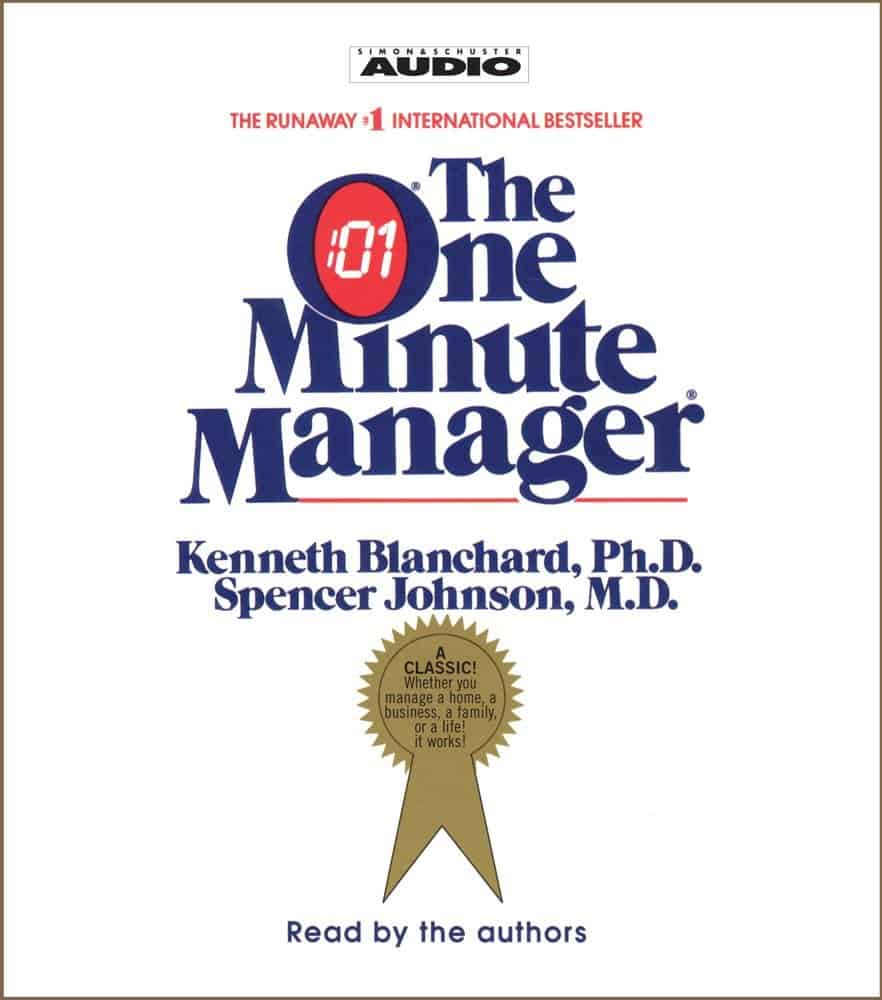
1. The One Minute Manager by Kenneth Blanchard Ph.D. and Spencer Johnson M.D.

This is a remarkable book that tells the story of a young man in search of a good leader. While he encounters different management styles, some autocratic care only about results, and the workers suffered. Others with a democratic approach were only concerned with people, and the organization also suffered. Finally, he finds what he's been looking for in a manager that uses the one-minute method. The one-minute method is basically a way to set clear goals or expectations for those you manage. For example, if you were told to clean a room, does that mean sweeping the floor, dusting the shelves, or organizing the bookshelves? But if you are told to sweep the floor and organize the bookshelves, the expectations are clearer. Then, there are one minute of praisings and one minute of reprimands where you give praise and reprimands immediately and quickly. Get the book here.

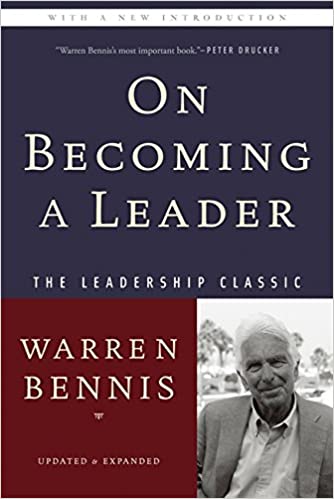
2. On Becoming a Leader by Warren Bennis

Considered a must-read for any business person, Warren Bennis was a business school professor at the University of Southern California. He got his first taste of leadership during world war 2 when he was one of the youngest lieutenants to serve in Europe. He is a firm believer that leaders are made, not born. This one of the best management books out there. It outlines several traits that make up a great leader. For Bennis, a leader is self-aware, curious, and are risk-takers. A leader sees the big picture and does what is right. Get the book here.

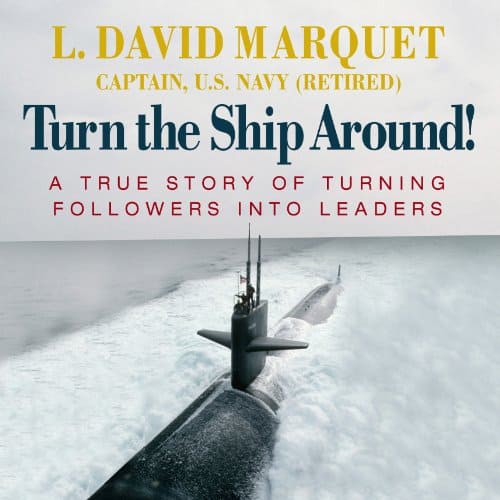
3. Turn the Ship Around!: A True Story of Turning Followers Into Leaders by L. David Marquet

Marquet was the captain of a submarine and was trained to lead in the typical military fashion of issuing orders and getting results. However, one time he gave an order that was impossible to follow, but his crew tried anyway with near-disastrous results. When he asked why, the answer was "because you told me to". That's when he decided to try a different management style, giving those under him the responsibility for their job and the autonomy to do it. The results from the change in his management style were significant. Get the book here.
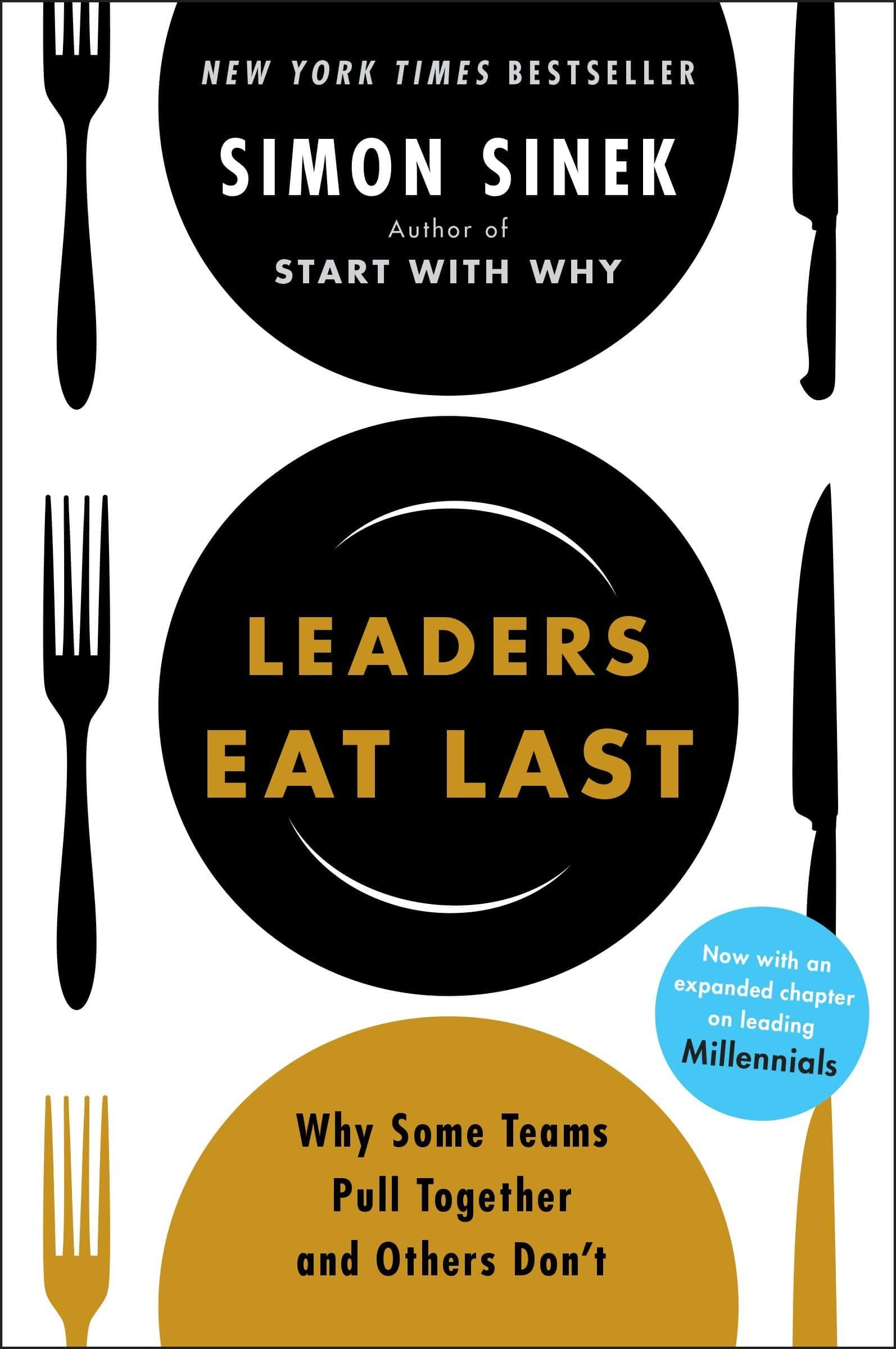
4. Leaders Eat Last: Why Some Teams Pull Together and Others Don't by Simon Sinek

Why do some teams come together to get the task done while other teams disintegrate into squabbling, infighting, and backstabbing? Sinek tackles this question in Leaders Eat Last after he had a conversation with a Marine Corps general. He noticed that all the junior Marines ate first, while the most senior Marines were all at the back of the line. The general explained that "leaders eat last" because what was symbolic in the chow hall was deadly serious in war. Leaders need to sacrifice their own comfort and even their lives for the good of the team they lead. He goes on to illustrate his ideas through examples of true stories in business and military. Get the book here.

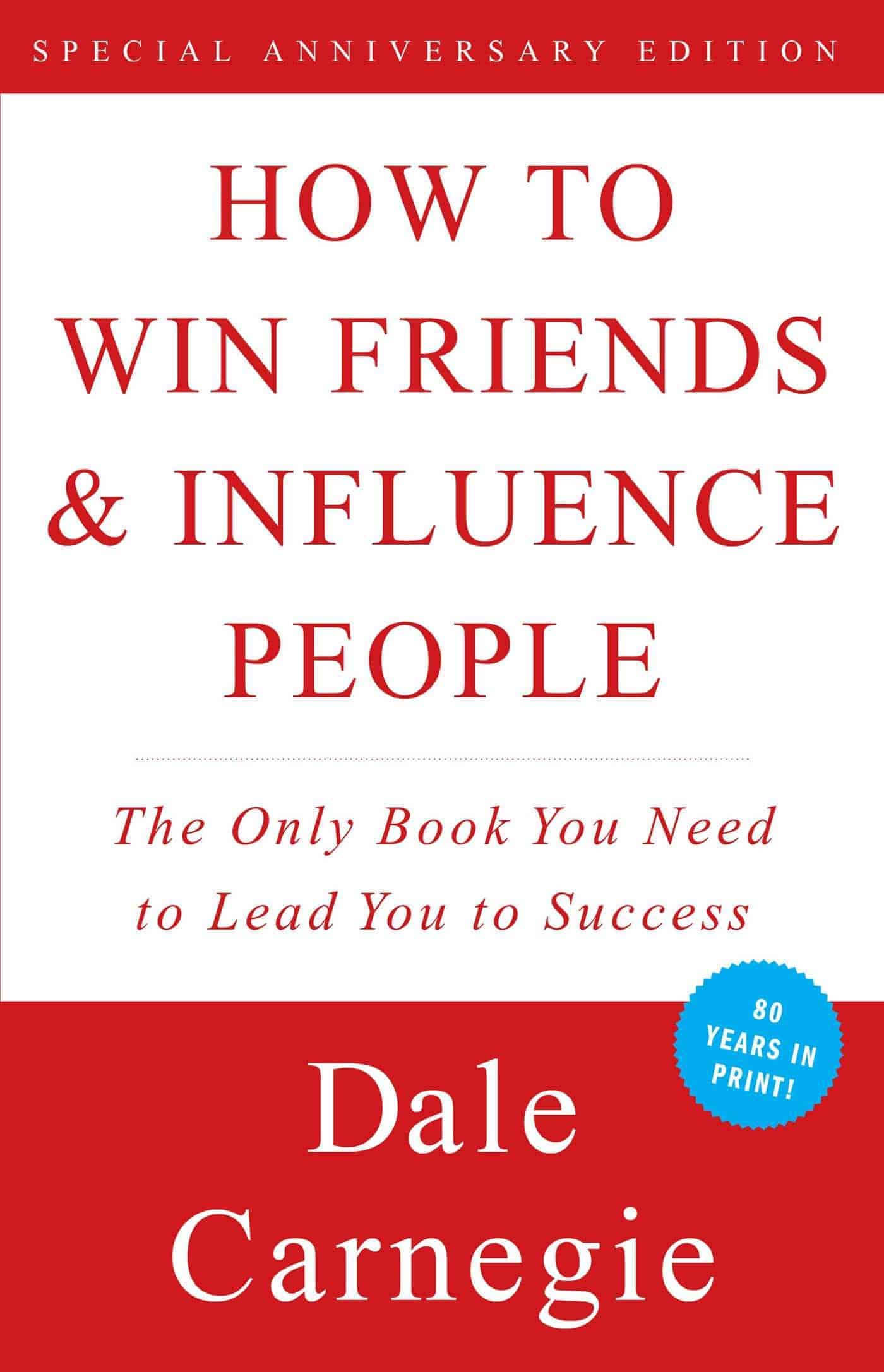
5. How to Win Friends and Influence People by Dale Carnegie

A list of the best management books will not be complete without this book by Carnegie. This is probably one of the most famous books on leadership ever written, and that's for good reason. Carnegie reveals some of the "soft skills" of good leadership, such as making people feel important and appreciated. Implementing the ideas found in this classic will help you be a better leader, negotiator, and motivator. Get the book here.

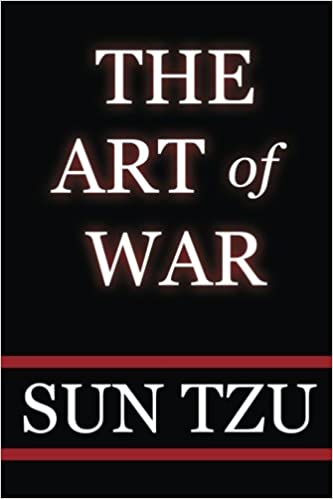
6. The Art of War by Sun Tzu

Written over two thousand years ago, this is still touted by business people all over the world as a must-read for leaders. Sun Tzu was a military leader who put his philosophies regarding war and leadership to paper. It is filled with timeless wisdom such as "Avoid what is strong and strike at what is weak." and "Supreme excellence rests in breaking the enemy's resistance without fighting". The book is divided into thirteen chapters and each one is devoted to a certain philosophy. Get the book here.
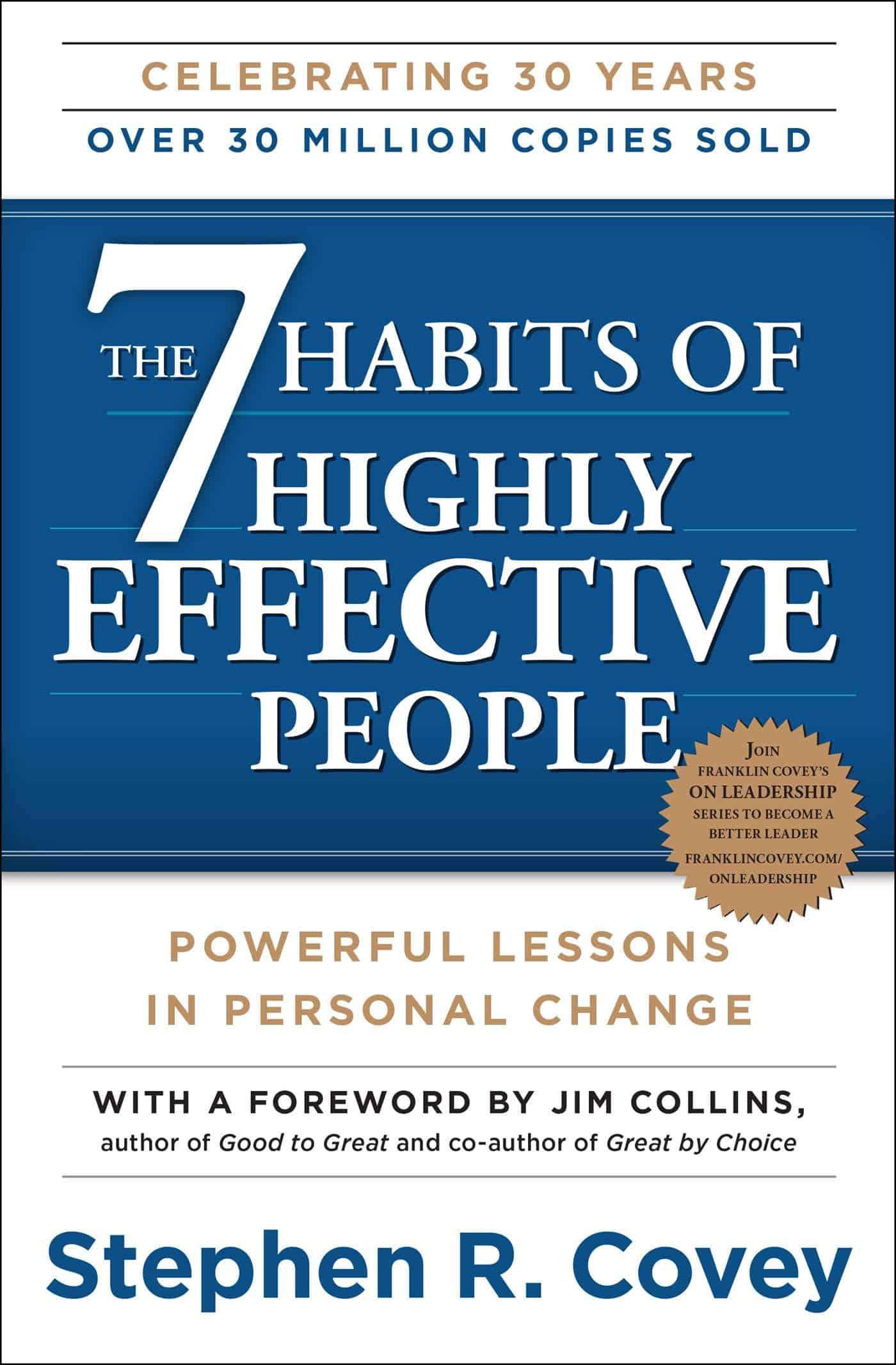
7. The 7 Habits of Highly Effective People: Powerful Lessons in Personal Change by Stephen R. Covey

Another classic, Covey is widely known as a world-renowned leadership expert. Although he already has other published works, The 7 Habits of Highly Effective People is his most famous one. Covey's idea is that true leadership starts from within. A good leader must first manage their inner well-being, create a personal vision, and cultivate self-control. Only then can they extend their influence to others. Here's a short video on the 7 habits of highly successful people: Get the book here.

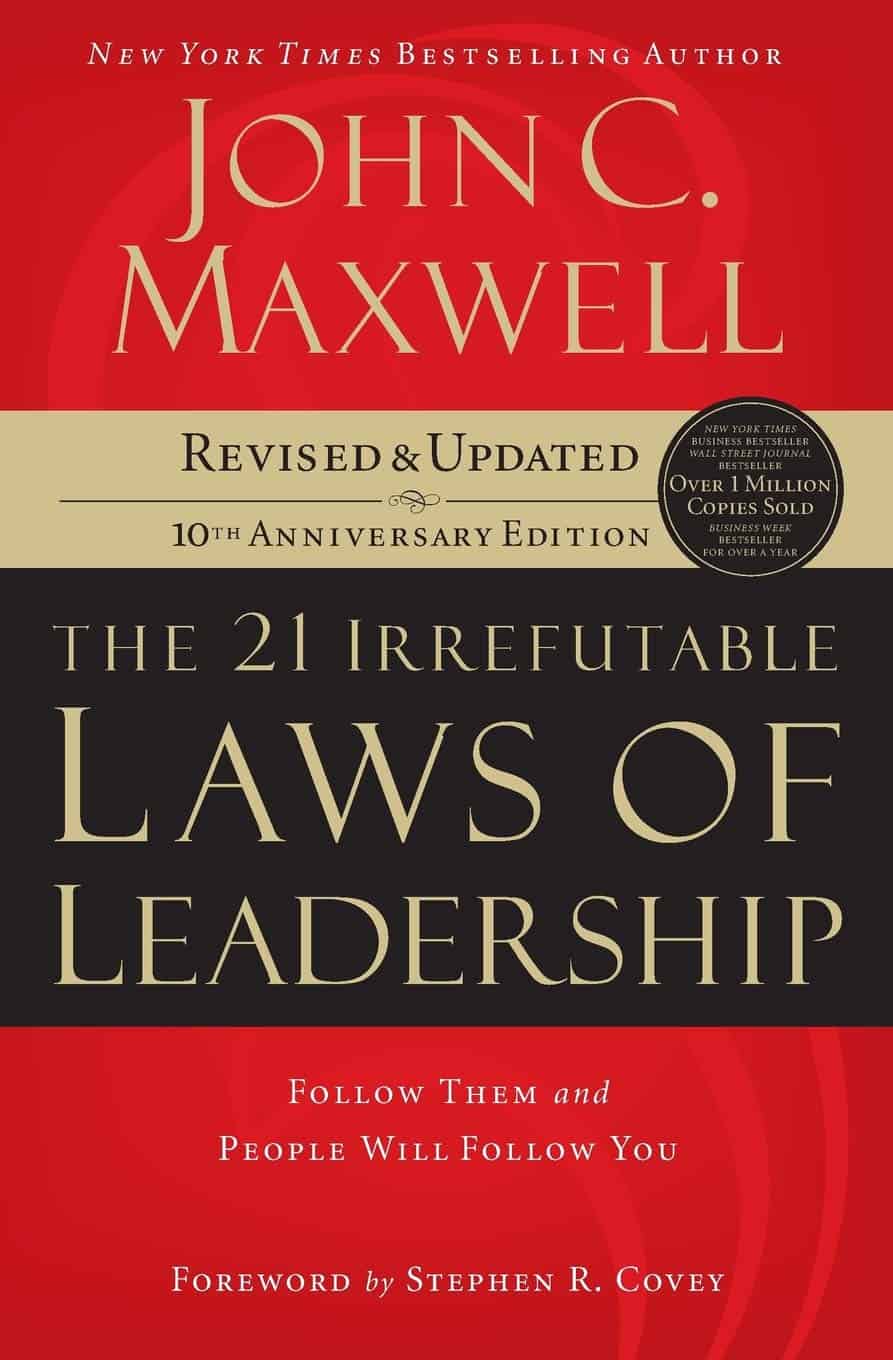
8. The 21 Irrefutable Laws of Leadership: Follow Them and People Will Follow You by John Maxwell

One of the most popular books on leadership of all time, Maxwell's The 21 Irrefutable Laws of Leadership is one of the best management books you can find. Maxwell contends that while there may be more "laws" of leadership than 21, these 21 laws are true and needed for anyone to be effective. Furthermore, these laws apply to all leadership roles in society, be they be in the military, business, or government. Get the book here.

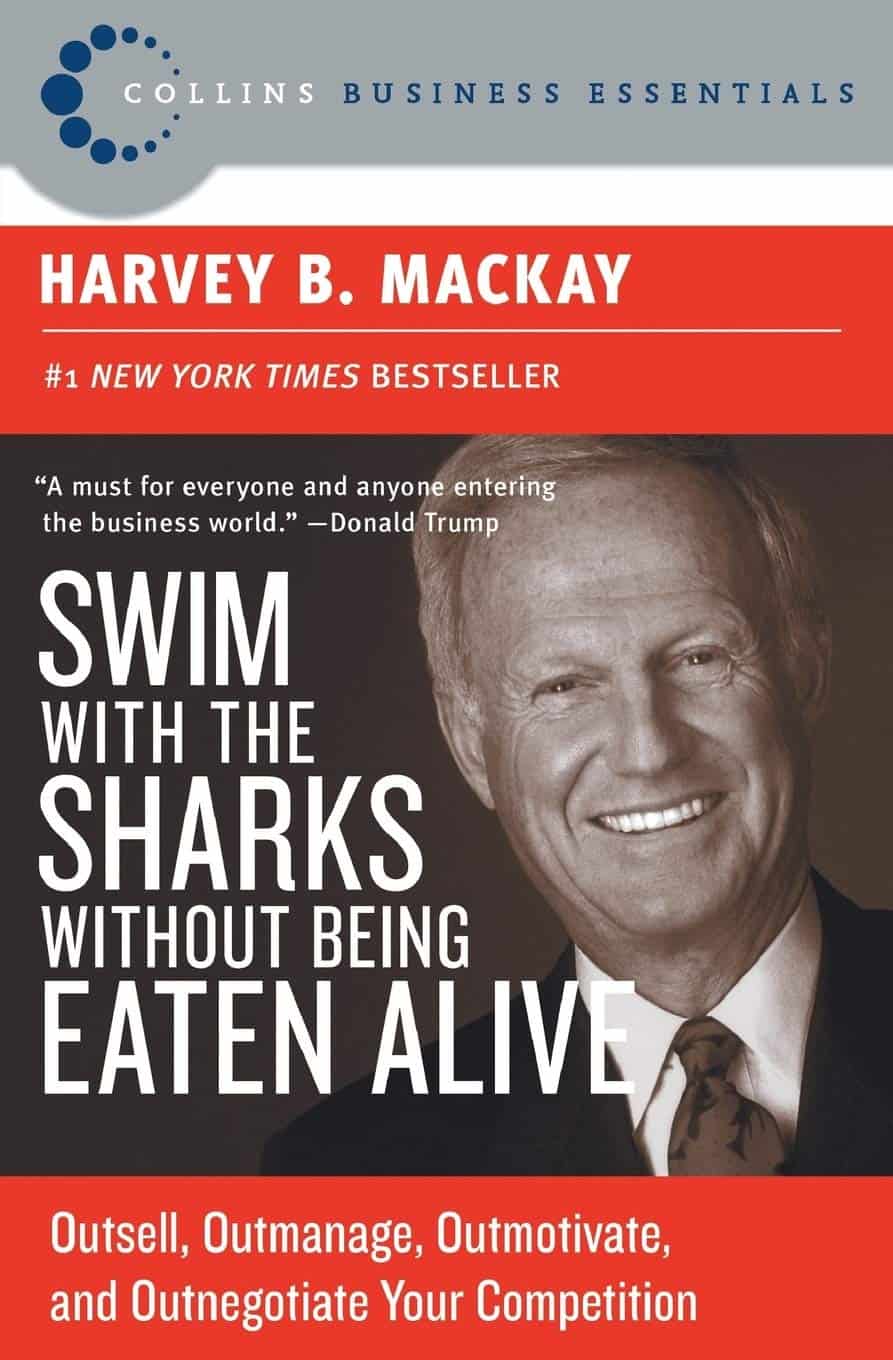
9. Swim With the Sharks Without Being Eaten Alive By Harvey B. Mackay

Written by a self-made millionaire, Mackay gives practical advice on how to outsell your competition and motivate your employees. It's a short read filled with useful and practical ideas. It contains much helpful advice like "If You Don't Have a Destination, You'll Never Get There," "Make Decisions with Your Heart and What You'll End Up with Is Heart Disease," and "It isn't the people you fire who make your life miserable, it's the people you don't". Get the book here.

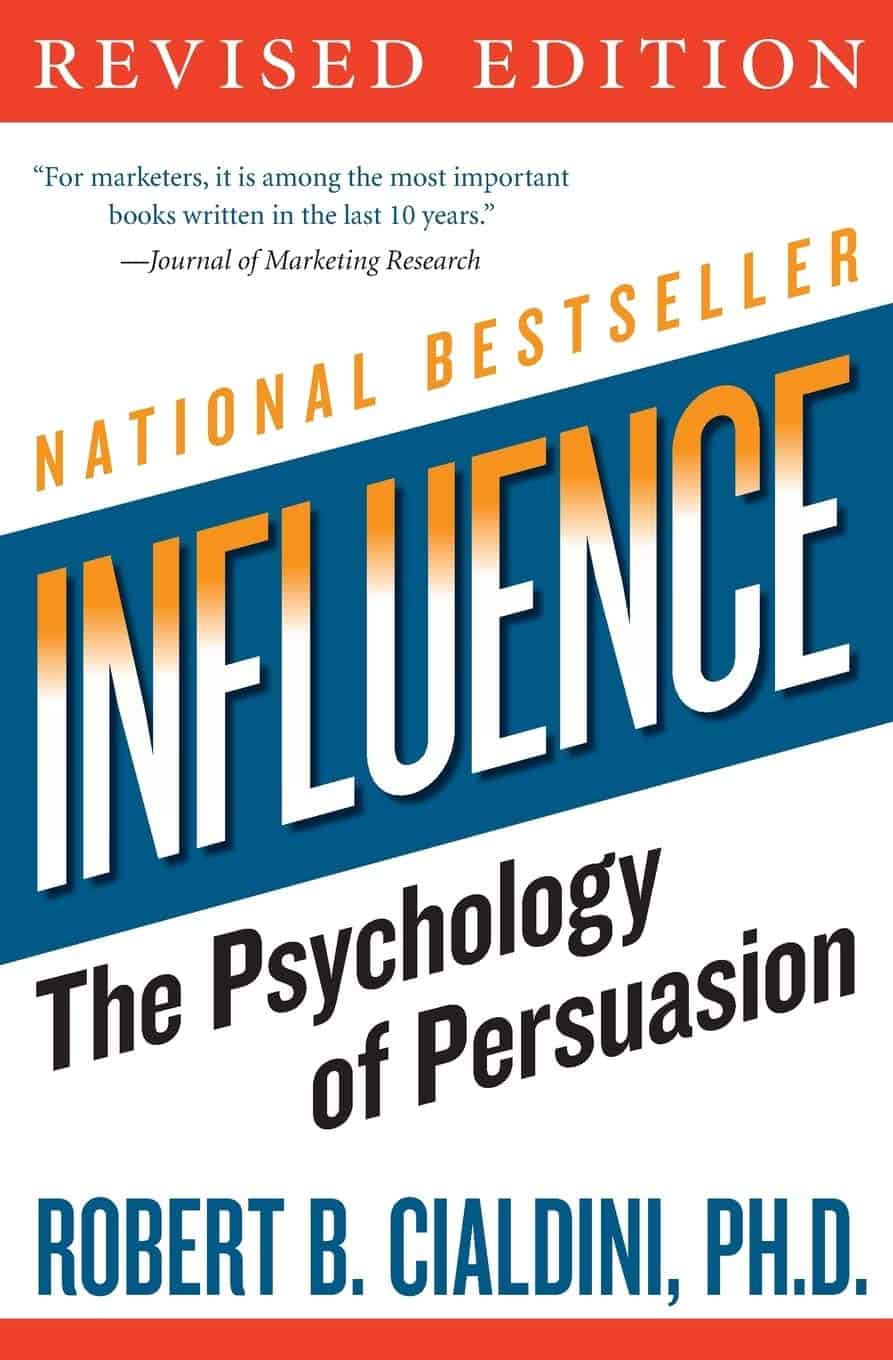
10. Influence: The Psychology of Persuasion by Robert B. Cialdini Ph.D.

Dr. Robert Cialdini spent his entire career researching the science of influence, earning him an international reputation as an expert in the fields of persuasion, compliance, and negotiation. In his book, Influence, The Psychology of Persuasion, he breaks down the principles of influence and persuasion into six categories that are easy to understand and implement. This book will teach you not only how to persuade others but also how to protect yourself from deceptive persuasion. Get the book here.

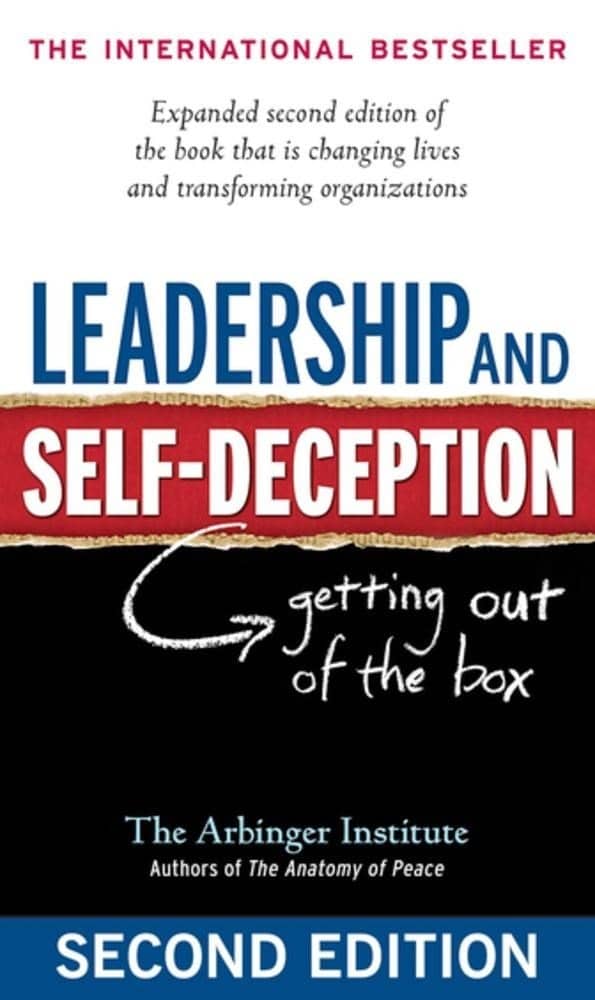
11. Leadership and Self-Deception: Getting Out of the Box by The Arbinger Institute

This book might be a hard read, not because of the concepts involved or the language used, but because it forces the reader to confront their responsibility for problems. Most of us like to blame things outside of us for the problems we have. But in order to truly find solutions, you need to be able to see your role in the problem. The Arbinger Institute is recognized as a world leader in improving organizational effectiveness and conflict resolution. Get the book here.

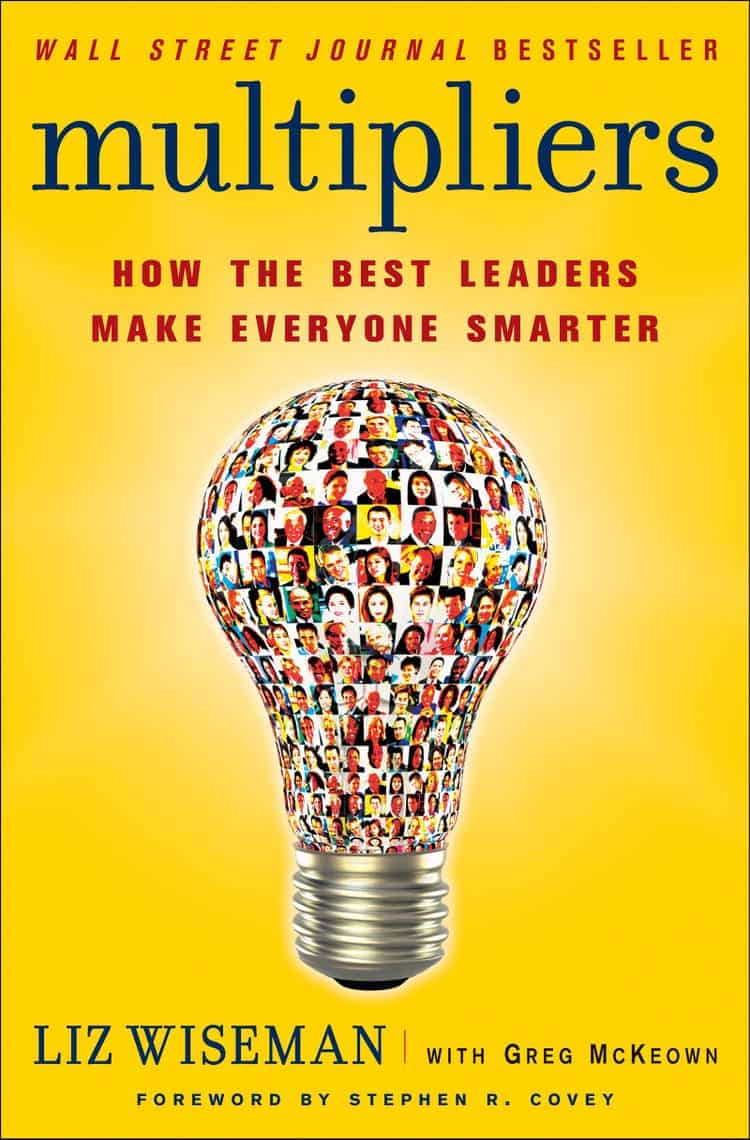
12. Multipliers: How the Best Leaders Make Everyone Smarter by Liz Wiseman

A Wall Street Journal bestseller, this relatively short, 292-page read talks about two leadership styles. In this book, leadership expert Liz Wiseman explores these two leadership styles, persuasively showing how Multipliers can have a resoundingly positive and profitable effect on organizations. Multipliers are the ones who get more done with fewer resources, develop and attract talent, and cultivate new ideas and energy to drive organizational change and innovation. On the other hand, Diminishers are the type of people who drain creativity and innovation from their teams. Get the book here.

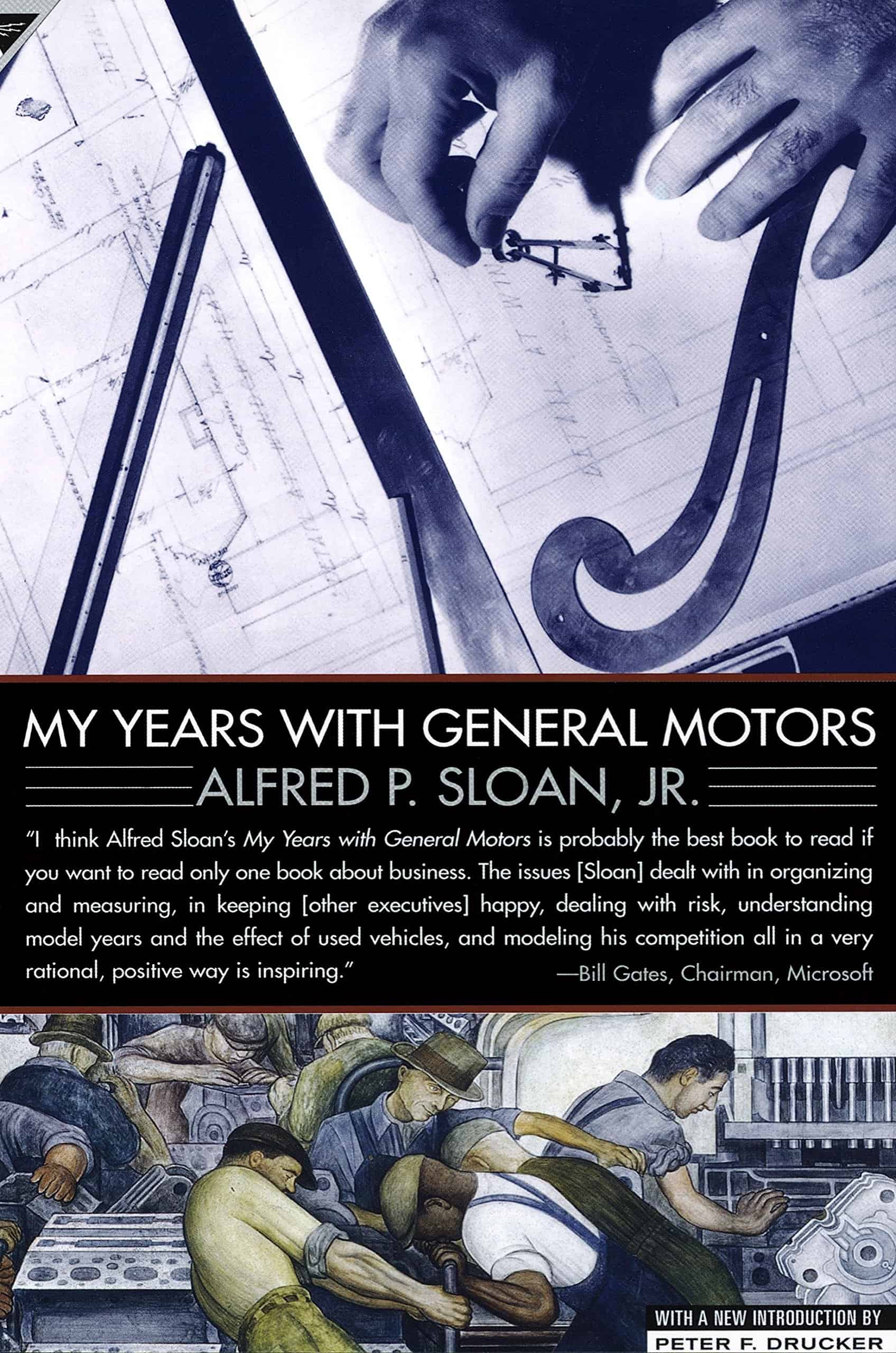
13. My Years With General Motors by Alfred Sloan Jr.

This is another management book that's considered a "classic". First published in 1963, Sloan's My Years With General Motors became an instant bestseller. The author talks about the "discipline of management" that he has practiced for decades and which made him an effective leader. Still relevant today, Bill Gates praises this book as the best book on management. Even Business Week named it "the number one choice for its bookshelf of indispensable reading." Get the book here.

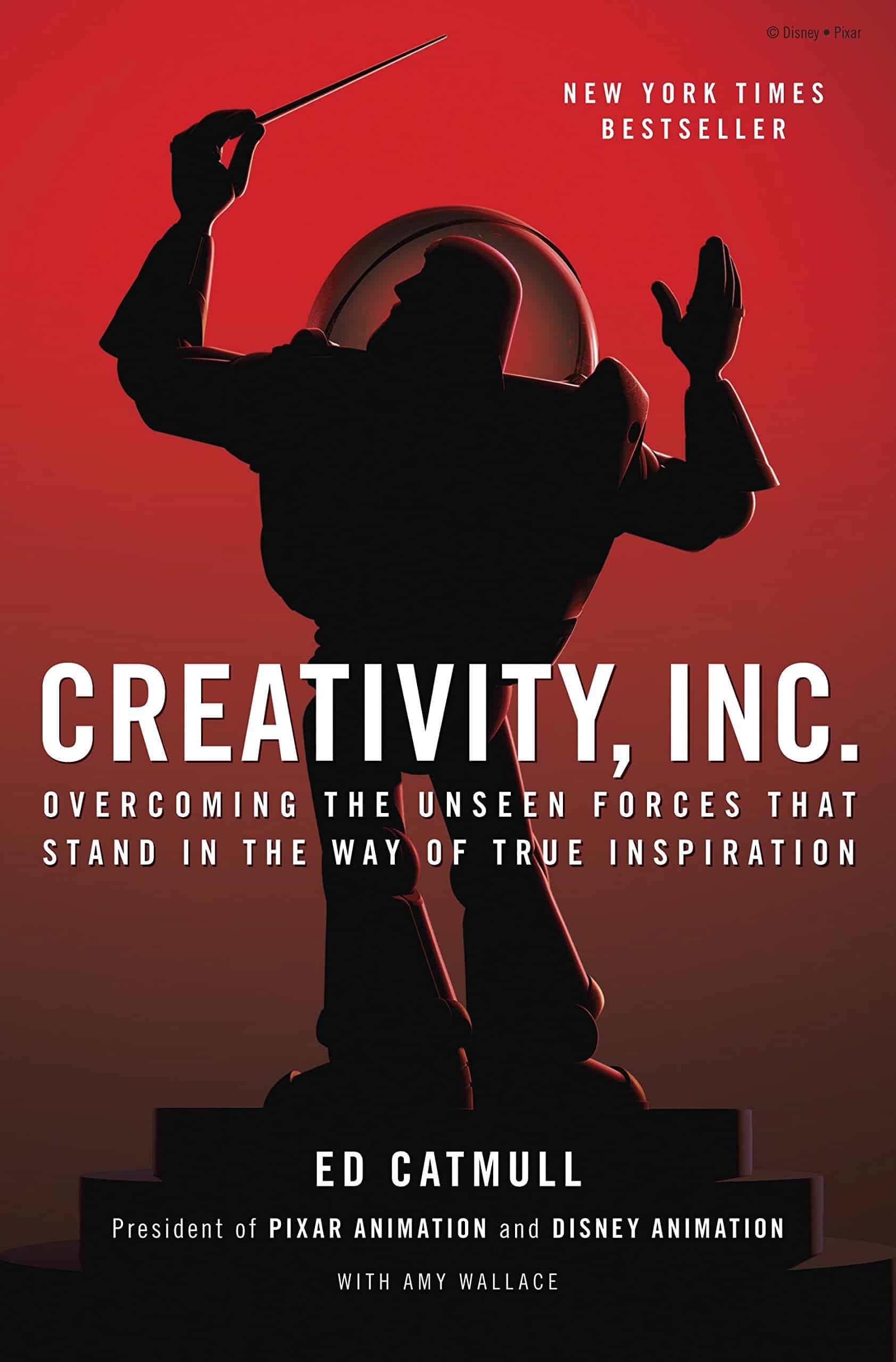
14. Creativity, Inc.: Overcoming the Unseen Forces That Stand in the Way of True Inspiration by Ed Catmull and Amy Wallace

This New York Times bestseller was produced by the co-founder of Pixar Studios - the people behind some of the most famous and successful films of all time. In this book, the authors explore the leadership qualities that have made Pixar so successful. Readers can find many great ideas in this book such as, "Give a good idea to a mediocre team, and they will screw it up. But give a mediocre idea to a great team, and they will either fix it or come up with something better," and "It’s not the manager’s job to prevent risks. It’s the manager’s job to make it safe for others to take them". Get the book here.

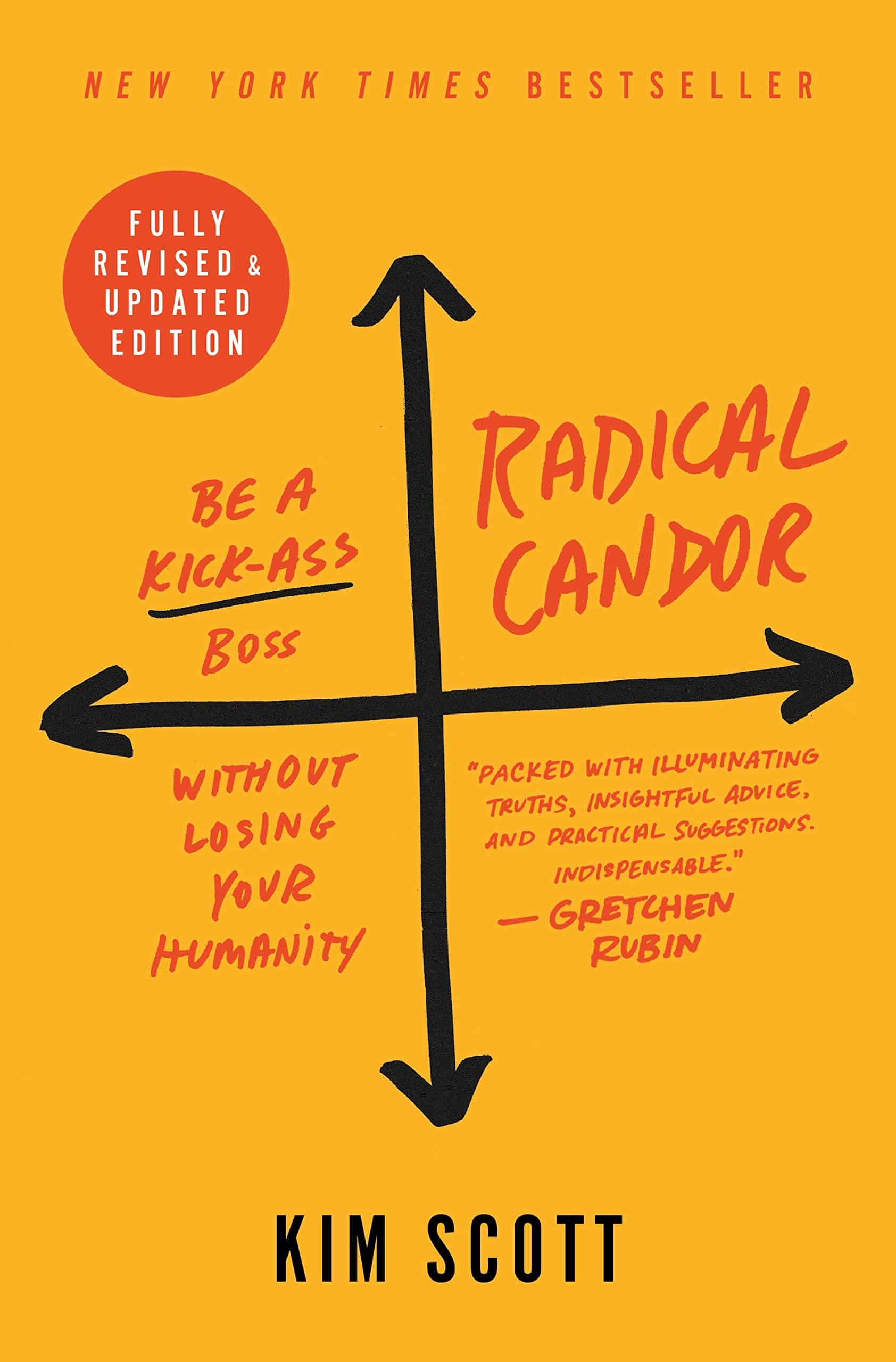
15. Radical Candor: Be a Kick-Ass Boss Without Losing Your Humanity by Kim Scott

Kim Scott was an executive at Google and later Apple. In this insightful book about leadership and management, she shares her years of knowledge about how to be an effective leader. Her fundamental belief is that a leader must truly care while still challenging employees directly. If you don't really care, it's authoritarian. If you don't challenge, it's bad for the company. And if you do neither, it's just manipulative. Get the book here.

16. Drive: The Surprising Truth About What Motivates Us by Daniel H. Pink

Another New York Times bestseller, Drive: The Surprising Truth About What Motivates Us crushes the notion of the carrot and stick method of management. In this book, Pink examines the difference between what science knows motivates us and what most businesses do. He postulates that people are motivated by three things, autonomy, mastery, and purpose. So, if you can provide them those things you will have a productive and efficient team. Get the book here.

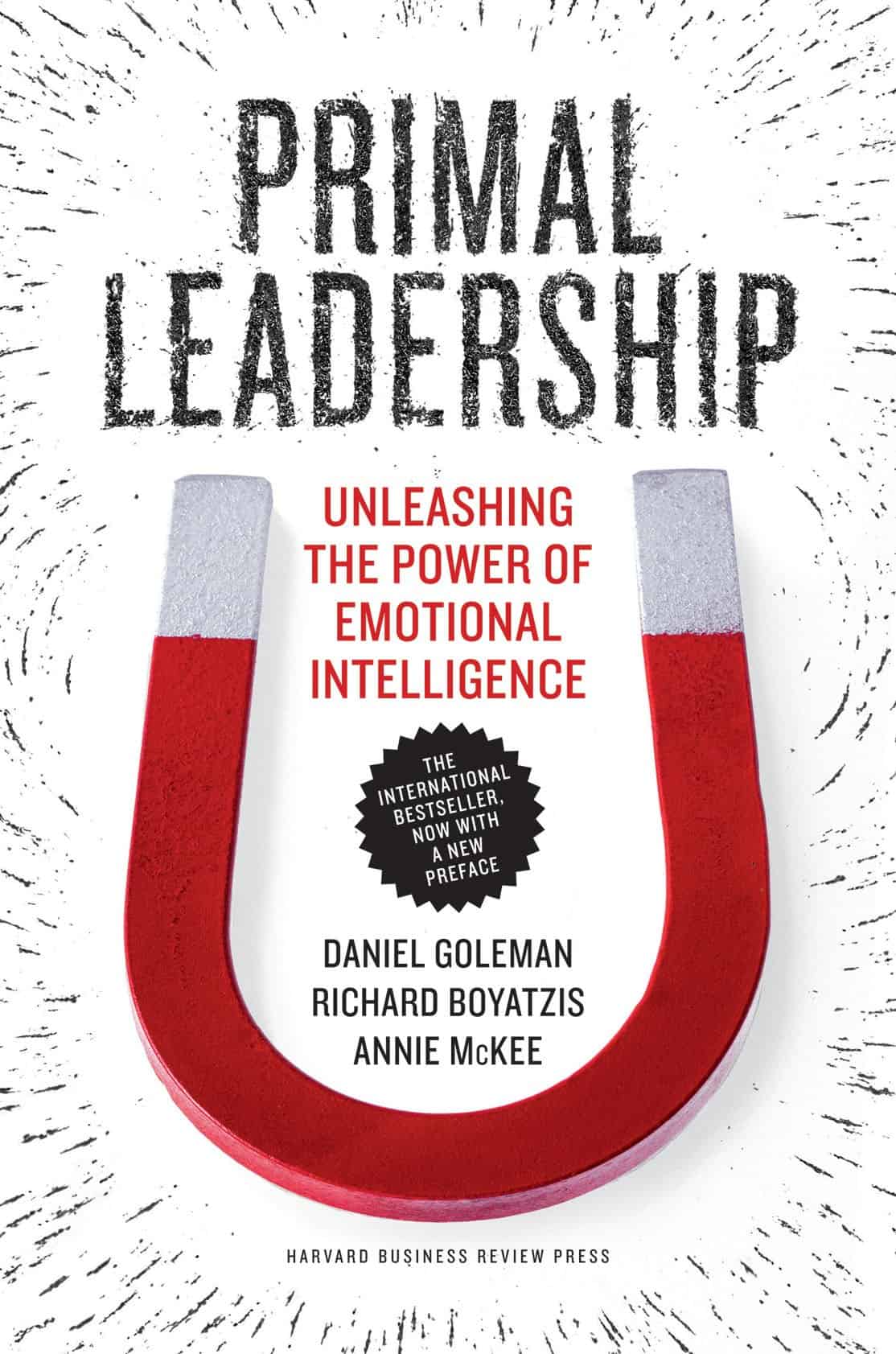
17. Primal Leadership: Unleashing the Power of Emotional Intelligence by Daniel Goleman, Richard Boyatzis & Annie McKee

What's the most important attribute of a leader? Intelligence, motivation, vision? The authors of this book put forth the argument that "emotional intelligence" is the critical factor for leadership. for them, qualities like enthusiasm, empathy, relationship management, intuitive understanding are qualities possessed by great leaders. Using many real-world examples, the authors try to define and explain those key qualities. Good leaders bring out "resonance" among a team, while poor ones create "dissonance." Get the book here.

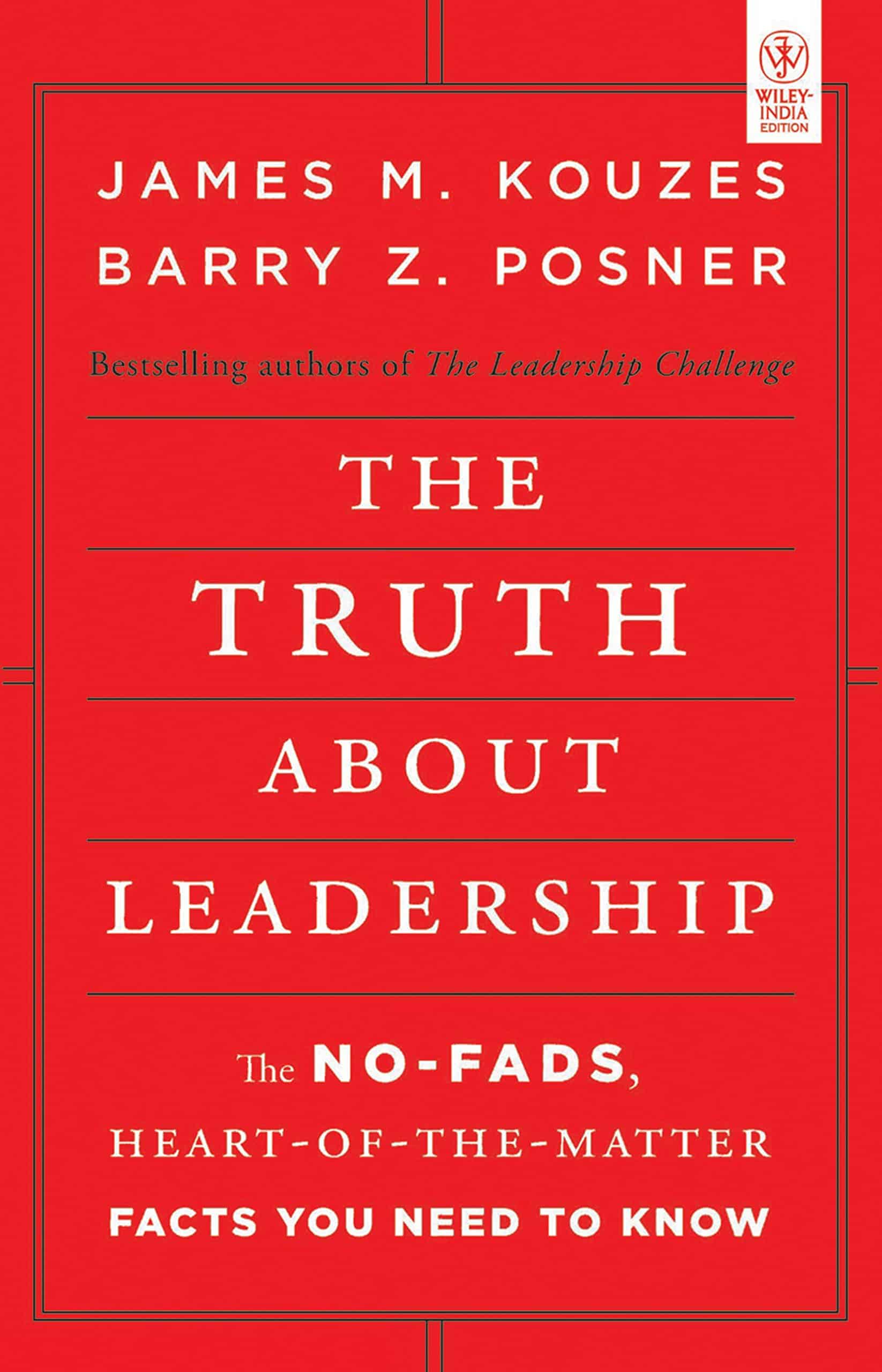
18. The Truth About Leadership: The No-fads, Heart-of-the-Matter Facts You Need to Know by James M. Kouzes and Barry Z. Posner

In this book, the authors spell out ten "truths" about leadership. One of these is credibility, which is the foundation of leadership. A leader values and drives commitment, and the best leaders are the best learners. According to the authors, you either lead by example or you don't lead at all. All of these truths must be understood by any great leader and you neglect them at your own peril. Get the book here.

19. Delivering Happiness: A Path to Profits, Passion, and Purpose by Tony Hsieh

Tony Hsieh is the founder of Zappos, an online retailer that does over one billion dollars in sales annually. In this book, he explains his secrets to success. Some of the strategies he outlined include giving you employees control over their jobs (autonomy), acknowledging and encouraging progress both professionally and personally, connecting with your team personally, and being someone people would want to work for, among many others. If you are interested in having your own business or just in managing people, this is a great read. Get the book here.

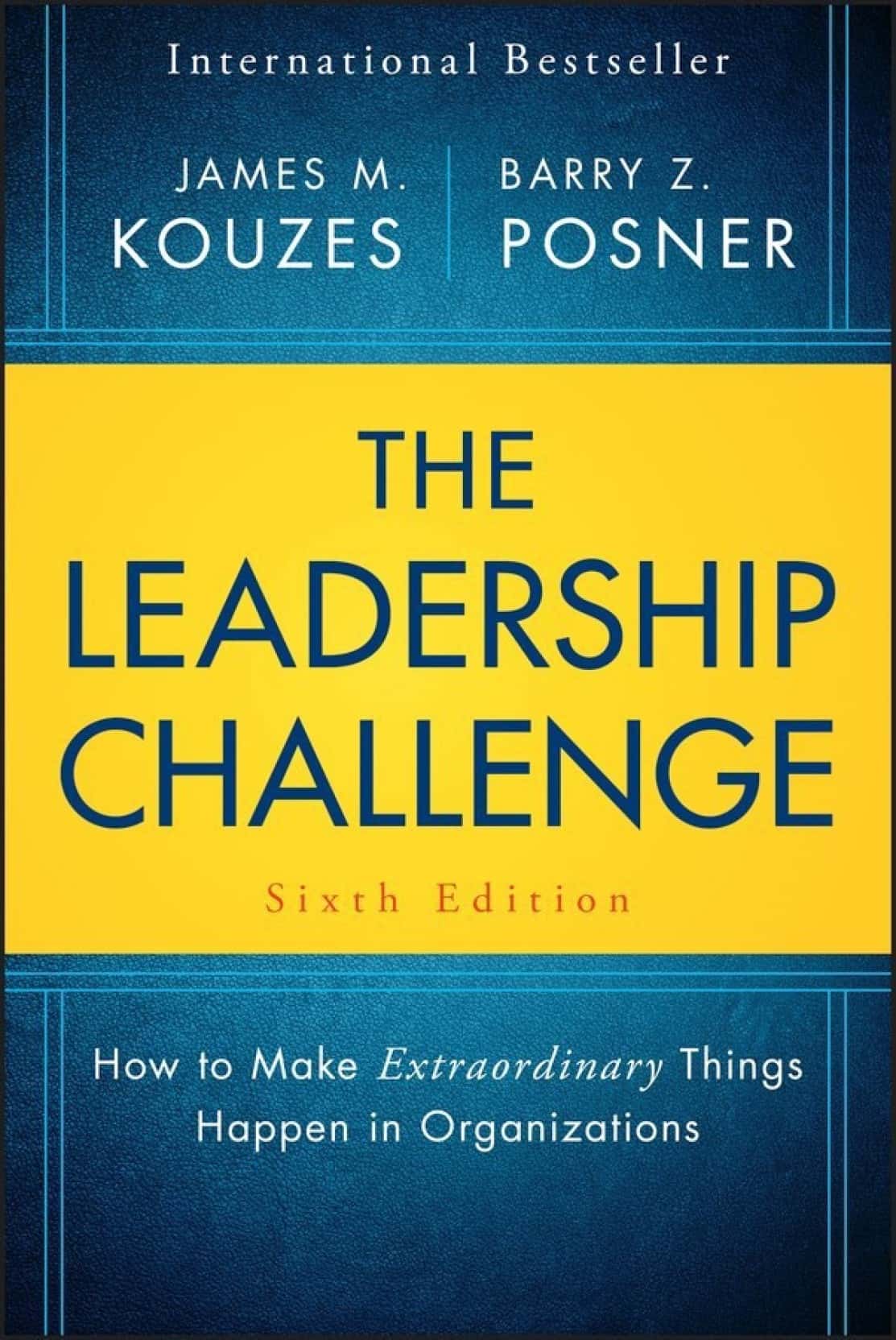
20. The Leadership Challenge: How to Make Extraordinary Things Happen in Organizations by James Kouzes and Posner

Last but not the least, we have The Leadership Challenge, which is one of the best management books ever written. Considered the "gold standard" of leadership manuals, The Leadership Challenge explores the difference between good leaders and great leaders. The authors outlined 5 practices of exemplary leadership: model the way, inspire a shared vision, challenge the process, enable others to act, and encourage the heart. Anyone looking for great management and leadership books has to add this to their list. Get the book here.

The Bottom Line

Leadership is both an art and a skill. And while you can't teach the art part of leadership, you can acquire the skills of a leader. This list of 20 best management books is by no means exhaustive, but by gaining the insights that they possess, you will be better equipped to lead. In effect, the knowledge you can acquire from these books will have you standing on the shoulders of giants.

More Books About Leadership


from Lifehack - Feed https://ift.tt/35jMy1k

Home